Native Rose West of the Cascades
Hiking through the regions of the PNW embraced between the ocean and the Cascades, you’re likely to stumble across a native plant that sadly doesn’t get as much attention as some of its showier relatives.
But with vibrant red stems with thorns that hold on to autumn’s frequent raindrops like a chain of pearls, and groups of rose hips that dangle like the most fashionable of pendant earrings, Cluster Rose is one of the most beautiful plants in our landscape.
In an area famous for its roses - both cultivated and wild - it can be difficult to tell each species apart. In this guide, you’ll learn the visual tools to confidently identify Cluster Rose in the PNW.
Cluster Rose
Sources: USDA, Bellevue Botanical Garden, Benton Soil and Water Conservation District
Practical Guide: How to Identify Rosa Pisocarpa in the WildClustered groups of blooms up to 10 are typical of this species, as seen from this photo I took of my own specimen in my yard
Identifying wild roses in the Pacific Northwest is crucial for ecological stewardship. That's because while there are wild roses native to our region, there are also a couple of invasive wild roses here, too.
As a native species, Rosa pisocarpa is instrumental in enhancing biodiversity and supporting conservation efforts. It provides critical habitats for wildlife and contributes to the ecological balance, making it a valuable asset for ecologists and conservationists alike.
This guide provides visual tools to differentiate between native species and invasive ones, ensuring the protection of our local ecosystem.
Comparison Chart: Rosa pisocarpa and Other PNW Roses
Explore the different wild roses found in the PNW with my visual guide here
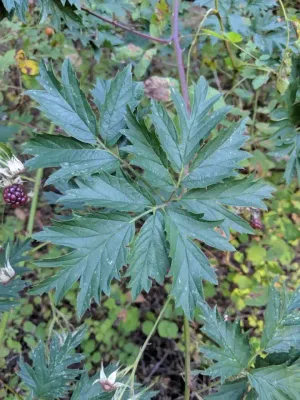
Sources: Madroño 1; Madroño 2; Barbara Ertter 2014, Rosa pisocarpa, in Jepson Flora Project (eds.) Jepson eFlora, Revision 2, Klinkenberg, Brian. (Editor) 2020. E-Flora BC: Electronic Atlas of the Plants of British Columbia. Lab for Advanced Spatial Analysis, Department of Geography, University of British Columbia, Vancouver.Shape of clustered rose hip can vary from very pea-shaped to more oblongcomparing rose hips of other wild species found in the PNW visuallyClose-up of leaflet shape from plants in my yard
Why Rosa pisocarpa Deserves Your Attention
For many years, the wild roses of the PNW region kind of just blurred together for me. I could identify a plant as a rose, but I honestly didn’t know that there was much to distinguish beyond that.
This all changed when I came upon a blooming wild rose in my yard on the first day we moved in. It was peak summer, and the rose was covered in delicate clusters of soft pink flowers. It was on the edge of a wooded area, its thorns acting as a gate for the landscape behind it.
As I came to learn more about the Rosa genus, I learned that I was now the steward of the Cluster Rose. While its often outshined by its sister Nootka or other cultivated species, it’s one of my favorites for its resilience and ability to quietly establish itself along the edges. A wallflower of sorts.
But why should you care about this seemingly ordinary plant in a world full of big blooms?A bumblebee visiting a R. pisocarpa bloom in my hedgerow
Gardening and Landscaping Applications
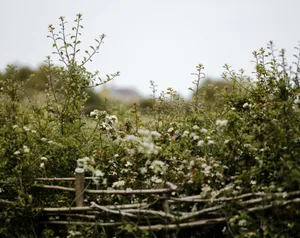
Ecologists cherish Rosa pisocarpa for its ability to form dense thickets, making it excellent for hedgerows and natural borders. With its tolerance for both sun and shade and attractive red fruits, it is a wonderful addition to native plant gardens, enhancing both beauty and biodiversity.
Ecological Significance
Rosa pisocarpa isn’t just a pretty face. Its presence stabilizes the soil, supports local wildlife, and contributes to maintaining biodiversity.
Soil and Habitat Restoration
Part of the reason why it is so great at stabilizing soil is due not only to its vigor, but also because of its spreading nature and tolerance for wet soils. As Woodbrook Native Plants shares, it's these features that make Cluster Rose so great at prevention erosion and maintaining stream banks.
The Marion Soil and Water Conservation District recommends planting Cluster Rose alongside streams where land has been damaged due to wildfires.
In Salem, Oregon, 200 Cluster Rose plants were installed as part of efforts to support the Minto Island Conservation Area within the Minto-Brown Island Park. ODFW shares that the habitat restoration in this area is important because it's a vital natural area that manages floods, provides essential habitats for numerous species including salmon, birds, and other wildlife, and preserves unique ecosystems.
Wildlife Food Source
Another ecosystem service provided by Cluster Rose is its ability to provide food and forage for a range of animals throughout the year.
I've seen my goats enjoy some nibbles of its leaves, too. Luckily a lot of the plant grows above their reach!
Lady Bird Johnson Wildflower Center and Xerces Society note that Cluster Rose is often visited by native bees and bumblebees. Native bees are also known to nest within the thickets formed by these roses.
Additionally, R. pisocarpa's hips provide vital nutrients for birds during harsh winters.
Cultural and Historical Uses
For milennia, indigenous communities have utilized Rosa pisocarpa for both medicinal and ceremonial purposes, embedding it deeply within cultural traditions.
- Food: Fruit eaten fresh by the Hoh tribe on the Olympic Peninsula and Quileute tribe of Washington State Coast (do not eat seeds as they are hairy and will irritate your stomach).
- Sore Throats: Decoction of roots, likely due to their astringent qualities, is a remedy for sore throats in the Snohomish tribe around Puget Sound.
- Diarrhea: Decoction of branches, also with astringent qualities, relieves diarrhea as a remedy for the Nlakaʼpamux tribe of southern British Columbia and northern Washington.
- Protection + Luck: The Nlakaʼpamux tribe also lines moccasins with the leaves of R. pisocarpa for protection, and also to prevent athlete’s foot. The this plant is also known by the Nlakaʼpamux to bestow good luck to individuals. Branches are used to protect bodies and houses of the deceased.
- Wood: The Nlakaʼpamux peoples uses the wood of this plant to make cradle hoops.
Source: Native American Ethnobotany Database
Medicinal Benefits
The hips of Rosa pisocarpa have been studied specifically for their medicinal applications.
A study published in Antioxidants Journal in 2022 discovered that of all the rose species tested, our Rosa pisocarpa had the highest amount of phenolic compounds in the fruit.
Phenolic compounds are antioxidants, which have been proven to reduce health issues such as cancer and heart problems.
Rich in vitamin E and other nutrients, they have historically been valued for their health benefits. From boosting immune health to skincare, these small fruits pack a significant punch in traditional medicine.
Cluster Rose: An essential native plant for the coastal PNW
As we protect these delicate roses, we write ourselves into the story of our natural world. Let’s embrace the journey with wonder, curiosity, and a commitment to conservation.
This adventure is not just about discovering a plant; it's about connecting with the intricate web of life in which we all play a part. Understanding and identifying the wild roses of the Pacific Northwest empowers you to actively participate in ecological preservation. So, arm yourself with knowledge, step into the wilderness, and let’s bloom together in stewardship of our cherished wild roses.