Table of Contents: 1. Visual Guide: Plant Diseases2. Chart: Plant Disease Symptoms & Lifespan3. Chart: Cover Crops for Disease Suppression4. Sustainable Ways to Prevent Crop Disease5. Chart: Cross-Family Plant Diseases6. Organic Remedies for Plant Diseases7. Tips for Maintaining Garden Health
When you picture your ideal home garden, you’re likely thinking of fresh lush leafy growth and abundant harvests.
You’re probably not aiming for seedlings that die back suddenly, rotted out root crops, or stressed tomato plants.
The bad news is: it’s likely that at some point, you’re going to have to deal with a disease issue in your vegetable garden. It’s okay — it happens to the best of us.
The good news is: you can learn different organic solutions to reduce the likelihood or severity of certain plant illnesses.
While an ounce of prevention is worth a pound of cure, any disease troubles that sneak by you can be remedied with certain regenerative practices.
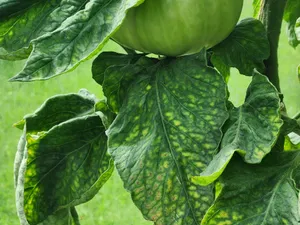
Read on to learn proactive and natural strategies to reduce plant diseases in your home garden, so you can achieve your goal of having a lush productive backyard!quick visual reference to common plant diseases found in home gardens
Common Crop Disease Chart
It’s one thing to try to avoid a plant illness.
But one thing that gardeners often overlook is just how long a certain crop illness can remain in the soil.
Some diseases, like powdery mildew, don’t stick around for more than a year. Some issues, like white rot in alliums, can persist in your garden for 20 years!
Have a scroll through the aggregated chart below, and then continue reading to learn sustainable solutions to these common crop diseases.
Regenerative Solution for Plant Diseases: Cover Crops
Cover crops are an essential component of a regenerative home garden. Why not maximize the benefit of this practice by growing a crop that can help to prevent or solve disease issues, too?Visual Chart of Cover Crops that Suppress Disease
How Cover Crops Suppress Disease
- Biofumigation: Biofumigation is when plants release natural exudates into the soil that repel harmful pests and diseases. Brassica cover crops (mustards, arugula, rapeseed) release glucosinolates that break down into compounds toxic to many soil fungi and nematodes when incorporated as green manure.
- Enhanced Soil Microbial Activity: Legumes (like hairy vetch) and grasses (like rye) increase beneficial soil microbes that compete with or antagonize pathogens.
- Mulch Barriers: Dense cover crop mulches can reduce splash dispersal of residue-borne pathogens
- Improved Soil Structure: Cover crops improve drainage and reduce compaction, making conditions less favorable for pathogens
- Nematode Suppression: Some cover crops directly reduce nematode populations (e.g., cereal rye for soybean cyst nematode)
Chart: Specific Cover Crops for Disease Suppression
Notable Examples
- Hairy vetch: Suppresses Fusarium wilt in watermelon and tomatoes, reduces powdery mildew and fruit rot in pumpkins and squash, and attracts beneficial insects
- Cereal rye: Reduces soybean cyst nematode and Rhizoctonia root rot in soybeans, and suppresses Fusarium virguliforme
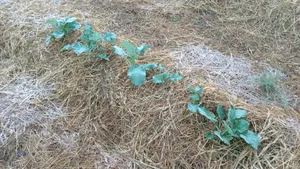
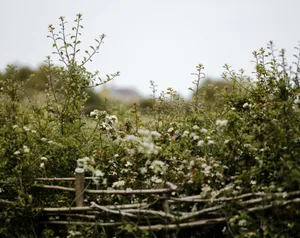
- Brassica mustards: Suppress Sclerotinia white mold, Verticillium wilt, and Phytophthora root rot via biofumigationInterplanting can help keep your garden healthy
Additional Sustainable Ways to Prevent Crop Disease
Practice crop rotation
- If you have a small garden try grow bags with fresh soil for growing high-risk crops, or vegetables with a prior disease history in your raised beds or in-ground rows
- Reference the chart above for length of time between rotations. Some diseases persist for a few years, while others can remain in the soil for over a decade
- Some diseases can impact multiple species, cross-reference to be certain you’re avoiding host plants
Purchase seeds from certified disease-free suppliers
- Garlic seed should be tested for nematodes and white rot
- Potatoes should be certified, so you know they don’t have any potato viruses, nematodes, or bacterial issues
- Brassicas should be tested to be free of black leg and black rot
Ensure ample spacing
- Steve Bost, Professor in the Dept of Entomology and Plant Pathology at UTN, recommends giving plants ample spacing so that they have proper air flow.
- He also advises keeping the area free from weeds, since they can obstruct airflow too.
Hot water seed treatment
- Hot-water seed treatment can reduce bacteria loads in your seeds for issues like:
- blight
- anthracnose
- verticillium wilt
- septoria leaf spot
- alternaria leaf blight
- black rot
- mosaic virus (plant.lab.uconn.edu)
- According to Nicole Gauthier at University of Kentucky, this works well on small hard seeds that aren’t treated with anything; do not heat treat beans, peas, potatoes, and large-seeded curcurbits (squashes)
- In general, seeds need to stay at 115-122 for 20-30 minutes (UWM), use a digital thermometer to help with this
- This is also “priming” the seed, which can help speed up germination time
Make & Apply Vermicompost
- Vermicompost can actively reduce soil-born plant diseases
- According to Cornell, this is because the worms encourage beneficial microbes, which antagonize the harmful disease pathogens!
Plant disease-resistant varieties
- Some heirloom crop types are known to be resistant to certain diseases
- Here’s a list of heirloom tomatoes known for low disease incidence
- Hybrids also offer disease-resistance
- Dr. Margaret Tuttle McGrath, an Associate Professor ofPlant Pathology and Plant-Microbe Biology at Cornell University, shares a key distinction about disease resistant tomatoes. She says, “No resistant plant variety is immune, thus some symptoms will develop even on the most resistant variety under high disease pressure.”
Interplanting and Biodiversity
- A biodiverse garden can have higher populations of beneficial organisms, which compete with harmful pathogens
- Attracting beneficial insects, like ladybugs who feed on aphids, can help prevent disease spread from vector pests
Chart of Diseases that Impact Multiple Crop Families
Organic Remedies for Common Plant Diseases
Natural Home Solutions for Powdery Mildew:
- Foliar Milk Spray: A Master’s Thesis from the University of Connecticut found that a foliar milk spray, consisting of 40% milk and 60% water, effectively reduced powdery mildew in organic production.
- Diluted Baking Soda Spray: UF IFAS Extension Orange County Master Gardener Volunteer, Mary Ann Pigora uses a 1 tablespoon per gallon dilution of baking soda in order to prevent fungal growth. To be most effective, leaves will need to be pre-treated with a “sticker” substance, usually a highly diluted castile soap does the trick.
Chemical Free Solution for pathogenic fungi: Solarization:
- According to Oklahoma State University Extension, heating up your soil thoroughly through the process of solarization can effectively kill off certain plant diseases.
- This has shown to be effective against Verticillium wilt in nightshades, Fusarium wilt, blights, cankers, and scabs.
- Start in July when temperatures are highest.
- Water soil thoroughly, then clear it of any debris or plant material.
- Cover soil area with clear plastic row cover. Make sure it’s free of large wrinkles, and weight down the edges with rocks or bricks.
- Leave on for 6 weeks, check moisture levels regularly and re-water if necessary without removing covering
- Before next planting, test soil with a quick-to-germinate crop. OK State recommends lettuce seeds.
Neem oil for bacterial and fungal infections
- Neem oil is known to reduce levels of powdery mildew, rust, and black spot according to Lacey Brown, Agriculture Program Assistant at North Carolina State University.
- Brown notes that neem oil can harm bees, so it’s important to follow the directions on your neem product and not over-apply. Xerces Society recommends applying neem oil at night, when bees are not active in the garden. Avoid using neem on or near flowering plants if possible.
Helpful Tips to Maintain a Disease-Free Garden:
- Throw away any diseased plant material - do not leave it in the garden or add it to the compost pile.
- Clean your garden tools - use a 1:9 solution of bleach and water to sanitize tools after use to help stop disease spread. Wash your hands after handling diseased crops, or throw your garden gloves in the wash.
- Observation is key - monitor plant health regularly, so you can treat issues early on before they become too serious.
- Water plants at the base - use drip irrigation or careful watering methods to reduce leaves getting wet and water splash as much as possible. This helps leaves to be less susceptible to bacterial and fungal problems. In 2024, a study conducted on onions found that leaf disease was 170% more likely and bulb rot incidence increased by 186% compared to drip irrigation.
- Prune plants - this will help improve air circulation, which can prevent diseases like mildew.
- Interplant - instead of planting the same crop in one garden bed or row, mix up species and families in order to have more biodiversity. An analysis of over 200 studies found that intercropping lowered the disease rate of plants by up to 73%!Regenerative solutions to crop diseases
While plant diseases are a common hurdle for home gardeners to overcome, your garden can avoid issues with the right strategies. Regenerative practices like cover crops, crop rotation, and maximizing soil health help you to create a resilient and healthy garden.