We're reader supported! This post contains affiliate links to products from small independent businesses. I may get a commission if you purchase through these links, at no extra cost to you.
You know what? Garden pests suck. And can be downright devastating.
As an organic gardener, I found myself overwhelmed by pesky cabbage moths and slugs, constantly picking them off into a bucket of soapy water. Not the best.
Then, a delightful discovery changed everything: birds!
Studies have shown that birds can reduce pest populations significantly, so they're an eco-friendly alternative to chemical pesticides.
For instance, research shows that simply installing nesting boxes in apple orchards can cause a reduction in pest levels.
In my own experience, birds have transformed my pest-laden garden into a happier place, with the kind of wildlife I wanted to see in my backyard.
In this article, I'll share the steps I used to attract a variety of bird species into my garden, with insights on specific species.
Whether you're looking to enhance biodiversity, balance the ecosystem, enjoy the beauty of nature, or simply reduce pests organically -- a bird-friendly approach can make all the difference.
Click here for a guide on which bird species eat specific garden pests
Read on to learn practical ways to invite these feathered friends into your garden, to lend a helping wing!
Practical Steps to Attract Birds
When I first noticed that birds were helping me out in my garden, I knew that I had to do everything I could in order to make my backyard attractive to them.
By this point, the cabbage worms and loppers, cabbage moths, and slugs were decimating my crops. As an organic gardener, I knew I wanted to control these critters naturally, but going on worm and slug hunts daily left me feeling defeated. There were so many around, that I knew I couldn’t manage this on my own.
Installing a Bird Bath and FeederTube feeders like this support smaller perching birds
So I got a bird bath and positioned it on one side of the garden, and a hung a large tube bird feeder on the other side.
Pretty quickly I noticed robins taking turns in the bird bath. I can't quite tell if they are playing while they are splashing aound, but it sure looks like it.
Smaller birds, like chickadees and towhees, would stop by the bird feeder. I even noticed blue jays craftily hanging upside down in order to get a snack from the feeder. A mating pair of bright yellow tanagers would perch along my garden fence or on trellises, singing mating calls to each other.
- Bird Bath Placement Tip: Make sure you put your bird bath in a place that is out in the open. It's important for the birds to have a full view of their surroundings, so they can fly off if the neighborhood cat comes around.
- Bird Bath Care: Give the basin a deep clean weekly to prevent algae and other build-up. The jet setting on a garden hose works well for this, or you can wipe the basin off with a rag. I sometimes use fallen leaves to clean off any gunk that's accumulated.
- Bird Feeder Placement Tip: While I personally don't mind when a squirrel outsmarts my bird feeder, you might opt for feeders that attach to the outside of window or suet feeder cages. These are less likely to feed your local forest ninjas - erm, I mean, squirrels.
Providing Other Bird-Friendly FoodSunflowers offer a spot to perch as well as a sought-after food source for this finch
Since I know birds love strawberries, I left a patch of an everbearing variety uncovered for them to munch on, while I covered my main crop with bird netting as they set fruit.
I planted extra sunflowers, which are perhaps the ultimate magnet plant for birds. I also didn’t shoo the birds away from the amaranth and quinoa rows. Both goldenrod and echinacea are perennials that are getting established in my garden, important sources of late-season bird food.
One thing that surprised me was how many birds I’d spot perched on my compost pile, munching on bugs and worms that were readily available! Even in the middle of winter, I see them hanging out there.
Bird ShelterNesting boxes provide a protected home for birds to raise their young
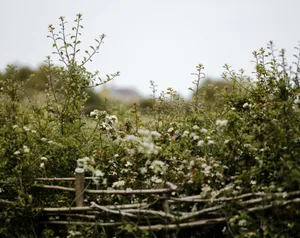
We have several areas of our yard close to the garden that provide habitat for the birds - several large solitary trees and then a natural hedgerow full of serviceberry, holly, roses, hazelnut, and evergreen trees too.
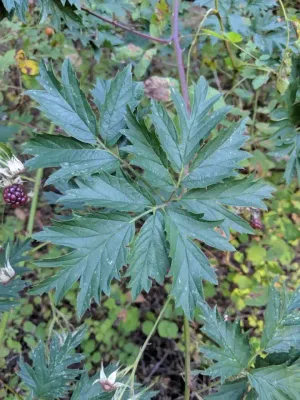
I often seen birds hiding in the brambles of blackberries - the extra large thorns like a barbed wire protective fence from potential predators.
Behind the garden, I’ve made a brush pile with pruned branches and sticks that I often see small birds hiding inside there.
I’m currently working on adding in extra habitat to my garden, with berry bushes and kiwi vines growing along the garden’s fence line.
This year, I’m also installing a couple of nesting boxes for birds. An open nesting box like this one will hopefully attract robins, who are my most prolific slug eaters!
Best Bird Food and Nest Boxes for Different Species
Are you looking to attract different bird species into your garden? Here’s how to select your food sources, feeder options, and provide appropriate housing to a range of bird types.
Choosing the Right PlantsThe many layers of a hedgerow provide habitat and a spot to hang bird feeders
Hedgerows
If you have a larger garden, you might want to look into installing a hedgerow. Hedgerows are thin strips of plants, bushes, and trees, that mimic a forest landscape. Similar to how permaculturists think of food forests, a hedgerow has a canopy layer, a bush layer, and an understory layer, and all of these plants work together to form an ecosystem.
A study in the Sacramento Valley found that when farms were bordered by hedgerows, up to 6 times as many birds could be found.
When compared to weedy margins (in other words, without the diversity of layers), hedgerows had 3 times as many birds.
This is because hedgerows provide both food and shelter for birds. Evergreen trees provide habitat and protection year round, while plants like native rose species, hawthorne, or snowberries offer food during the winter months. Goldenrod and and native thistles make excellent understory plants, with seeds that birds love to eat in the late summer into autumn.
Grow Your Own Bird FoodBeautyberries provide winter food for birds
In the chart above, you’ll notice some common bird favorites are plants that you can easily grow in your garden.
Research by Doug Tallamy at the University of Delaware found that bird species of regional conservation concern, such as Wood Thrush and Blue-winged Warbler, were found eight times more often on properties with native plants.
These include:
- Sunflowers
- Millet
- Currants
- Blackberries
- Asters
- Thistles (be sure to plant native or non-invasive varieties)
- Safflower
- Viburnum
In addition, birds in general are known to enjoy eating seeds from:
- Goldenrod
- Echinacea
- Coreopsis
- Cosmos
- Zinnias
- Blanketflower
- Rudbeckia
Source: WCS
What I'd like to highlight here is that these plants aren't just "for the birds." Other native wildlife, like bees and butterflies, enjoy these plants too.
At the USDA Bee Lab, researchers observed that after reintroducing native plants, not only did native bee species arrive in large numbers, but bird populations also increased significantly.
Plus, as humans, we benefit from these plants as sources food (e.g. berries) materials for bouquets (e.g. asters, echinacea, zinnias), or even to make natural dyes (e.g. sunflowers, safflower, coreopsis, cosmos).
Grow Your Own Nesting MaterialResourceful birds building a nest from natural materials inside a nesting box
This is something I often see people overlook - while of course it’s important to think about bird feeders and protective shelter, birds also need materials to build their nests.
Here are some plants you can grow for a robust selection of bird building materials:
- Milkweed (look for your native variety)
- Mulberry (or any other tree with catkins)
- Lamb’s Ear
- Ornamental Grasses (Seagrass, Big Blue Stem Grass)
- Anything with perennial twigs
- Grapevines
Keeping a bit of yard debris, like fallen leaves or small twigs, also can provide a valuable resource for nest building activities.
Bonus Tip: Growing JoyJen McGuinness, author of Bird Friendly Gardening, suggests putting out chicken feathers and pet fur to provide soft nesting supplies. Jen offers the tip of putting these materials into a suet feeder for birds to access.
Common Challenges and Solutions
Aren’t Birds Garden Pests?
While birds may cause some damage to crops, this can be prevented by placing bird netting over plants that you don’t want them to access. I do this with my summer-bearing strawberries, while I leave my ever-bearing strawberries uncovered for the birds to enjoy.
Hillary White, an agricultural researcher, conducted a study where she found that common birds that are seen as pests by farmers, like crows and blackbirds, were less likely to be an issue if there were hedgerows surrounding the garden. If you have a larger backyard, this could be a potential solution.
How do I deal with outdoor cats?
If you or your neighbors have outdoor cats, you may be worried about them hunting the birds you attract into your backyard.
Luckily, there are a few solutions that can help with this.I have an outdoor cat and I’ve noticed that he’s totally uninterested in anything we have out for the birds that is elevated. For example, our bird feeder is suspended from a tree branch from a long cord, and our bird bath is around three feet tall.
I know someone who put a collar with a bell on their outdoor cat, since the sound alerts the birds.To keep both deer and cats away from my crops, in the past I’ve used a motion sensor sprinkler, which might be an option to look into as well.
Support Your Garden and Local Wildlife Conservation
Inviting birds into your garden is a fantastic way to contribute to a more sustainable backyard. Not only do you get to enhance local biodiversity, but you also are building in natural pest control.
Recent trends in regenerative gardening emphasize the symbiotic relationship between birds and soil health. A study found that birds, especially those common in urban areas like crows, can transport significant amounts of phosphorus and nitrogen to fragmented forests in urban landscapes.
Growing plants for food and shelter, and providing features like nesting boxes, bird baths, and bird feeders are simple changes that you can make to encourage a range of beneficial birds.All of this really makes a difference in supporting wildlife to thrive - and we all benefit from that!